
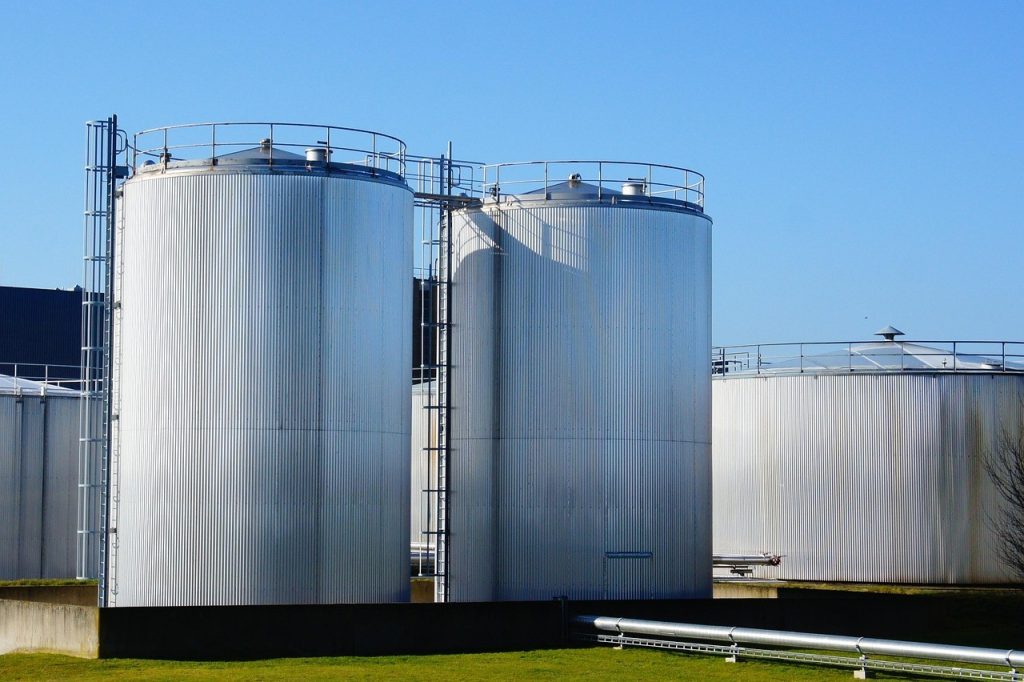
Malancourt-la-Montagne, near Amnéville, Moselle, 12 November 2026: Veolia started up a plant dedicated to extracting cobalt, nickel and copper from “black mass,” the shredded residue of end-of-life lithium-ion batteries. The group says its proprietary hydrometallurgical technology recovers more than 90% of the cobalt, nickel and copper contained in the black mass it processes, according to its press release of 12 November 2026.
The site has capacity for close to 7,000 tonnes of black mass a year, equivalent to about 20,000 tonnes of spent batteries. The black mass it currently processes comes from batteries collected in France, the United Kingdom and Switzerland. Separate Veolia dismantling operations, the step upstream of black-mass extraction, are being built up in the UK, Belgium and Slovenia to feed the site from across Europe. The plant adds a recycling stage to a wider build-out of European battery-material supply that also includes primary production, such as Vulcan Energy’s Lionheart project in Germany, designed to yield enough lithium hydroxide for about 500,000 electric vehicle batteries a year.
A ramp-up that starts well below the plant’s rated capacity
Output this year is running far under that 7,000-tonne ceiling. Pascal Muller, Veolia’s regional director for hazardous waste, said the site should recycle the equivalent of 500 tonnes of black mass in 2026, according to an AFP dispatch carried by Connaissance des Energies. The inauguration was attended by Stéphane Séjourné, the European Commission’s Executive Vice-President for Prosperity and Industrial Strategy, and Franck Leroy, president of the Grand Est region, according to Veolia’s press release. Veolia chief executive Estelle Brachlianoff said: “Thanks to this facility, where European black mass flows converge, this extraordinary resource can be recovered within Europe: today serving the metallurgy sector and, tomorrow perhaps, producing new European batteries.”
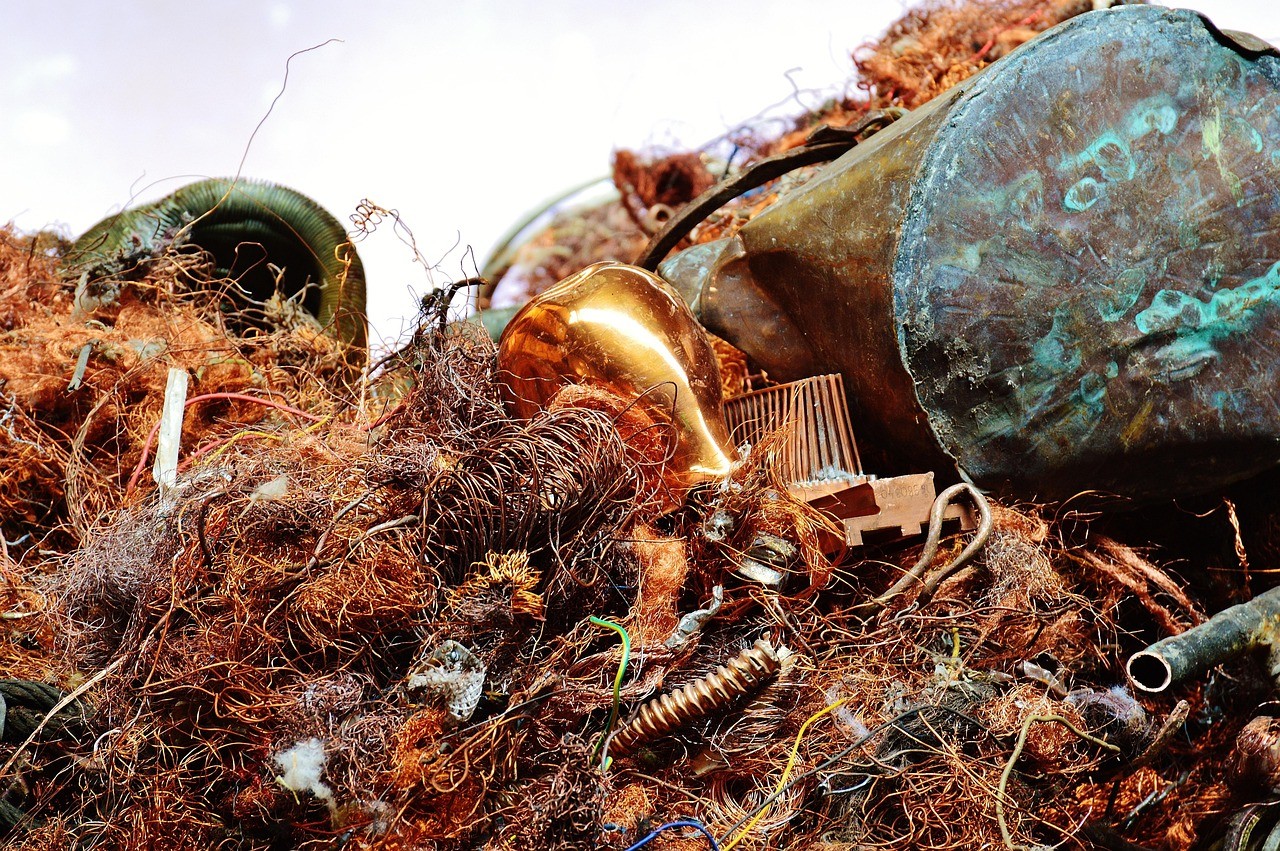
New EU rules will keep more black mass inside Europe
At the inauguration, Séjourné said the European Union would bar exports of black mass to countries outside the OECD from early December 2026, as new hazardous-waste rules take effect, according to the same AFP dispatch. French trade publication Usine Nouvelle, reporting from the event, named Malancourt-la-Montagne, near Amnéville, as the site’s precise location; Veolia’s own release places it only “in the Grand Est region.” Veolia frames the project within the EU’s Battery Regulation, its Industrial Accelerator Act and the forthcoming Circular Economy Act, and estimates that close to 700,000 tonnes of batteries will need processing in Europe over the next five years, with recoverable metals worth more than €1 billion.
The metals recovered at the site currently go to the metallurgy, construction and defence industries, Veolia says, with onward use in new European battery production floated as a longer-term prospect. Veolia chief executive Estelle Brachlianoff said the plant required “tens of millions of euros” of investment, without giving a precise figure, according to France 3 Grand Est.
Sources
Source: Veolia, “European industrial sovereignty: Veolia launches a pioneering site for extracting strategic metals from EV batteries” (12 November 2026)
Source: Usine Nouvelle, “Elle pourra traiter 7 000 tonnes de minerais stratégiques par an : à Amnéville, Veolia inaugure la première unité française pour recycler la black mass des batteries”
Source: Connaissance des Energies (AFP), “Dans l’est de la France, Veolia parie sur le recyclage des batteries”
Source: France 3 Grand Est, “Le sens de l’histoire, c’est une filière complète en Europe: Veolia lance sa première usine de recyclage de batteries de voitures électriques”
Photo: GREGOR, Pixabay License
Photo: Alexas_Fotos, Pixabay License