

MBDA plans to fly a full-systems demonstrator of a new hypersonic interceptor by the end of 2029, the missile maker’s leadership said at a briefing during the Euronaval defence exhibition in Paris. The French-headquartered manufacturer, which also operates a missile logistics centre in Czosnów, Poland, backing the UK-Poland PILICA+ air-defence programme, leads a European industrial consortium on the new project, named Hydis.
According to Defense News, which reported the Euronaval briefing on 5 November 2026, the programme is managed by OCCAR, the European joint armament cooperation organisation entrusted by the European Commission with indirect management of the action under the European Defence Fund. A three-year concept phase, running through May 2027, is co-funded by €80 million in European money and €57 million from four participating states: France, Italy, Germany and the Netherlands.
The MBDA-led consortium includes Avio, which supplies the solid rocket motor; ArianeGroup and Roxel, responsible for final-stage control; Lynred, which provides the terminal infrared sensor; Thales Netherlands, covering the sensor suite; and GKN Fokker, assessing integration into naval launchers, according to a Naval News report from July 2026 on the programme’s EU grant. The interceptor is a four-stage, hit-to-kill design around seven metres long, about 30% taller than the in-service Aster B1 NT missile.
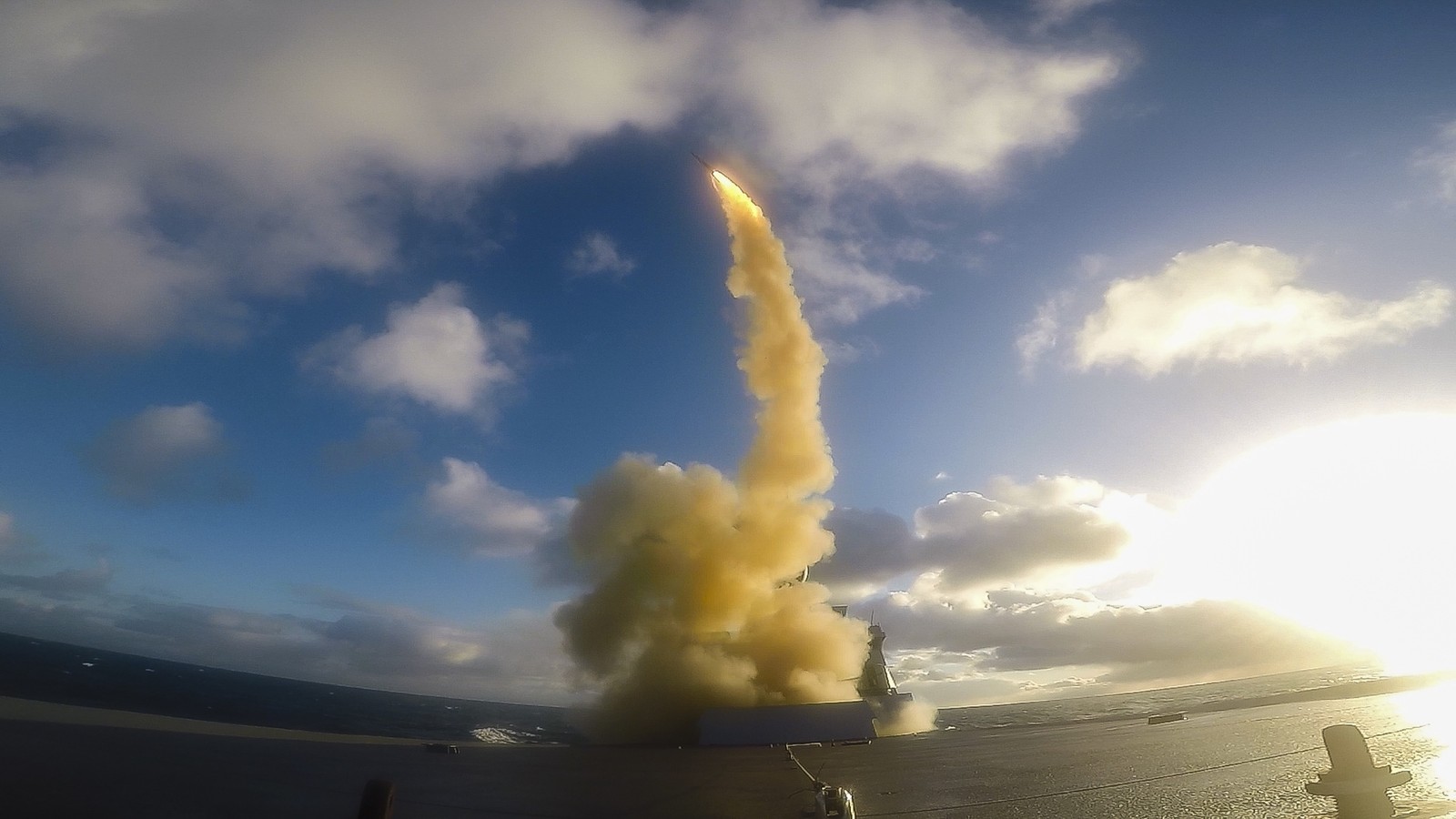
Defense News reported that the system is intended to engage both hypersonic glide vehicles and ballistic missiles within a single platform, at closing speeds of up to five kilometres per second. MBDA is targeting a unit cost below one-third of the US SM-3 interceptor’s price, and says the system is designed to work with long-range radar alone or with planned European space-based warning systems, while fitting existing vertical-launch cells such as Mark 41 and future Naval Group Sylver variants.
“It’s effectively four-stage with a very high capability of acceleration … so it’s a bit fat, but it’s a Formula 1,” Lionel Mazenq, MBDA’s vice president for programme incubators, said of the interceptor’s design, according to Defense News.
A second phase, running from mid-2027 to mid-2029 and including full-scale flight trials ahead of the planned demonstrator flight, would expand the consortium to 17 countries and 36 industrial and research partners plus 14 subcontractors, backed by €133 million from 11 member states plus European Commission funding, Defense News reported. That EU funding, a single €100 million allocation, is contested: Hydis competes for it against Hydef, a rival concept coordinated by Spain’s Sistemas de Misiles, also under OCCAR management, with a decision expected by the end of November 2026.
Photo: Rachel Bodier, Marine nationale / NATO (public domain, via Wikimedia Commons).